
UPPAbaby Vista V3 vs Bugaboo Fox 5: Which Premium Stroller Is Worth It?

A dad of two who's been through the stroller-buying gauntlet twice. I don't pretend to have tested every stroller — I research what parents actually report after months of real use, then tell you what holds up and what quietly disappoints.
Just so you know, some links on this page are affiliate links. If you buy something via them, we get a small kickback. You don't pay more, but it helps toward our research.
A meaningful price gap separates the UPPAbaby Vista V3 and the Bugaboo Fox 5. It's real money, enough for a year of diapers, or a plane ticket. Both are genuinely outstanding strollers. Both will handle daily life without complaint from newborn through toddlerhood. The question worth answering is: what exactly do you get for that premium, and does your specific situation justify it?
The short version: the Vista V3 is the smarter long-term investment for families who might have a second child, because the Vista converts to a full double stroller within the same chassis for the cost of one extra seat. The Fox 5 is the right call if you want the best suspension in the class and don't need double capability -- it handles varied terrain better than anything at this price point, and the one-handed operation is genuinely the most refined available at this tier. But if a second baby is anywhere in your future plans, the Vista path -- the same chassis plus a second seat -- costs far less in total. The Fox-to-double path means buying the separate Bugaboo Donkey, a whole second premium frame, for dramatically more. That math matters more than any individual spec comparison between the two strollers.
Read on if you're deciding between these two and want the full picture before committing.
More comparisons below — or jump to related guides.
What we looked at
Research for this guide draws from r/BeyondTheBump, r/Mommit, and several Baby Center comparison threads where parents documented real ownership experiences with both strollers. BabyGearLab's structured evaluations and the manufacturer specs for both models were cross-referenced throughout. Both strollers have thousands of US owner reviews on Amazon with enough specificity to identify genuine patterns rather than marketing noise.
The UPPAbaby Vista V3
UPPAbaby builds strollers specifically for the US market, and the Vista has been the reference point for American full-size strollers since the first generation. The V3 is the most refined iteration: the chassis is stiffer, the basket is bigger, and the magnetic buckle that parents complained about on earlier versions has been replaced with something that works first time, every time.
The basket is worth dwelling on because it's genuinely exceptional. At 30 litres capacity with a 55-pound weight limit, it's the largest underseat basket available on any full-size stroller at this price point. Parents who've owned both the Vista and the Fox consistently mention this in comparisons: the Fox basket is adequate, the Vista basket is generous. When you're spending a day out with a newborn and everything that requires, the difference between adequate and generous shows up every single time you need to stow a bag.
The fold is handled with two hands but takes seconds once it's familiar. The stroller self-stands after folding, which matters more than it sounds -- a stroller that topples over when you put it down adds friction to every single trip. The carry handle makes one-person management of the folded frame practical rather than theoretical.
Weight at 9.7kg is essentially identical to the Fox 5 at 9.5kg. Anyone comparing these two on weight is looking at a 200g difference -- a rounding error. Neither is lightweight. Both are full-size strollers built to last years of daily use.
Suspension: the Vista has suspension on all four wheels, and it's good. It handles standard urban pavement, cracked sidewalks, and neighbourhood paths without complaint. Where it falls short relative to the Fox 5 is on genuinely varied terrain -- gravel, packed dirt, cobblestones, mixed surfaces. On those, the Fox's full independent suspension has a clear advantage. On smooth and lightly varied pavement, the difference is modest.
Where the Vista truly separates itself from the Fox is double stroller capability. The Vista converts to a full double stroller using the RumbleSeat -- the same chassis, a second seat, and both children travel on a single frame. The child sitting in the RumbleSeat is slightly lower and forward of the main seat. The total width of a doubled-out Vista is meaningfully less than most side-by-side doubles, which matters for store aisles, lifts, and narrow doorways.
Contrast that with the Bugaboo Fox double path: if you have a second child and want to continue using the Fox, you're looking at the Bugaboo Donkey, which is a completely separate product. There's no in-chassis double option for the Fox. For parents with confident second-child plans, this is the most important number in the entire comparison.
UPPAbaby's US warranty is two years comprehensive. Parts, accessories, and customer service are all US-based. For a stroller you'll likely use for 3-4 years, domestic warranty support is worth factoring in.
Where it wins: the largest basket in class, same-chassis double conversion, solid suspension on urban and suburban terrain, strong US warranty and dealer support, excellent resale value in the US secondhand market.
Where it loses: two-handed fold versus the Fox's one-handed operation, not as capable on genuinely rough mixed terrain, slightly larger folded footprint.
The Bugaboo Fox 5
The Bugaboo Fox has been setting the standard for premium full-size strollers for long enough that its name appears in marketing copy for competitors as the benchmark. The Fox 5 earns that status honestly: the full four-wheel independent suspension is the best available at this price, and the one-handed operation system is the most consistent in the market. We also put the Fox up against its closest luxury rival in our iCandy Peach vs Bugaboo Fox comparison, worth a read if those are your two finalists.
The suspension is worth understanding specifically because "four-wheel suspension" appears on a lot of strollers where it means something modest. The Fox 5's suspension is independent across all four wheels, which means each wheel moves through obstacles independently rather than transferring vibration through a shared suspension element. The practical difference is most obvious over cobblestones, packed gravel, uneven pavement, and park paths. Parents who've switched from other strollers to the Fox 5 describe a consistent experience: the stroller absorbs the surface rather than transmitting it. Sleeping newborns stay asleep on surfaces that would have woken them in other strollers. That's not marketing -- it's the thing parents mention most often in real ownership accounts.
One-handed operation is a commitment Bugaboo made to the Fox design specifically, and every function of the stroller reflects it. The handlebar height adjusts with one hand. The seat reclines with one hand. The bassinet and toddler seat both attach and detach one-handed. The fold is one-handed. This matters most in the situations parents encounter constantly: the moment you're holding a child with one arm and need to do something with the stroller with the other.
The 2-in-1 design covers newborn through toddler (to 22kg) in a single chassis. The bassinet is spacious and includes an aerated mattress built for extended naps. The toddler seat reclines close to flat for daytime sleeping. Parents report the transition between bassinet and toddler seat as genuinely smooth -- not the awkward multi-step process some strollers require.
The Fox 5 is at every major US baby retailer: Amazon, Buy Buy Baby, Nordstrom, Pottery Barn Kids. Domestic warranty support, standard returns, and straightforward accessory sourcing. At the Fox's price point, the retail experience matters.
At 9.5kg, the Fox is 200g lighter than the Vista V3. That's genuinely not meaningful in daily use. Neither stroller is what you'd call light; both are full-size premium strollers. The Fox's one-handed fold compensates somewhat for the weight in real-world situations.
Basket capacity is where the Fox falls behind. The underseat basket holds a diaper bag plus a few extras on a good day. It's functional, not generous. Parents who switch from the Vista to the Fox consistently mention the basket as a downgrade. Parents who've only owned the Fox accept it as normal. If you're the kind of parent who packs for a long day out, this is a real difference.
Where it wins: best independent four-wheel suspension in the class, consistent one-handed operation across all functions, genuine all-terrain capability, one-handed self-standing fold, strong resale value.
Where it loses: no in-chassis double option (requires buying a separate Bugaboo Donkey for second child), smaller basket than the Vista, and a clear premium over the Vista for features that matter most on rough terrain.
Head-to-head
| UPPAbaby Vista V3 | Bugaboo Fox 5 | |
|---|---|---|
| Chassis weight | 9.7kg | 9.5kg |
| Suspension | Four-wheel, good urban | Full independent four-wheel, best in class |
| Fold | Two-handed, self-stands | One-handed, self-stands |
| Double option | In-chassis (add RumbleSeat) | Separate product (Bugaboo Donkey) |
| Basket | 30L / 55lb -- class-leading | Functional, smaller |
| Handlebar adjust | Manual, tool-free | One-handed |
| Terrain | Urban / suburban, good | Mixed terrain, excellent |
| US warranty | 2 years | 2 years |
| On Amazon US | Yes | Yes |
The true cost over 5 years
The price gap at purchase is the starting point, not the full picture.
For families who have a second child on the Vista: add the RumbleSeat. Your total stays modest, and you use the same chassis for both children, and the doubled-out Vista fits through most standard doorways and lifts. The Vista is our top pick in our best double strollers guide for exactly this reason.
For families who have a second child on the Fox: the Bugaboo Donkey is the double option. It is a separate product, not an add-on to the Fox, so you're effectively starting over. Your total roughly doubles, since you are buying two strollers, if both children need one simultaneously.
If a second child is definite or even probable within the stroller's lifespan, the Vista is the dramatically better financial decision. If you're confident your family is one child, the Fox is worth the premium for the suspension and operational refinement.
Which one to buy
You're planning a second child within 3-4 years. The Vista V3. The in-chassis double conversion is the clearest financial argument in this comparison. Buying a Vista now and adding a RumbleSeat later costs far less than the Fox-to-double path, which means a whole separate Donkey. Same result, two children in a stroller, at a very different price.
Terrain is a priority. The Bugaboo Fox 5. If your daily environment includes gravel paths, park trails, uneven urban surfaces, or cobblestones, the Fox's independent suspension makes a daily difference. The Vista is excellent on standard urban pavement. The Fox is excellent on everything. If your regular routes mix surfaces, you'll feel the difference within the first week.
You want the best one-handed operation in the class. The Bugaboo Fox 5. The Vista's fold requires two hands; the Fox's requires one. If you regularly manage the stroller solo while holding a child, or if you frequently fold and unfold in tight spaces like car trunks, the Fox's operational consistency saves friction every single day.
You want to carry a full day's worth of gear. The Vista V3. The 30-litre basket is the best in the class by a meaningful margin. If you pack a proper diaper bag, snacks, change of clothes, and the other things a day out with a young child requires, the Vista accommodates it without compromise. The Fox basket is functional but not generous.
Car seat compatibility
Both strollers accept infant car seats via adaptor, which is how most US parents use a premium stroller in the first few months before the baby is ready to sit in the toddler seat.
The UPPAbaby Vista V3 has the broadest car seat compatibility in the class. It accepts the UPPAbaby MESA (which clicks in without an adaptor), and via specific adaptors it works with Chicco KeyFit, Graco SnugRide, Maxi-Cosi, Nuna PIPA, Britax, and several others. UPPAbaby's adaptor lineup covers virtually every major US infant car seat brand. The adaptor is an inexpensive add-on, varying a little by car seat brand.
The Bugaboo Fox 5 also accepts infant car seats via adaptor and is compatible with most major brands including Maxi-Cosi, Nuna PIPA, Cybex, and others. The Bugaboo adaptor clicks the car seat directly onto the Fox 5 chassis. Where the Vista has a slight edge is the seamless integration with the MESA car seat -- if you're buying into the UPPAbaby ecosystem, the car seat clicks directly onto the Vista without any adaptor at all. If the Nuna PIPA is the seat you already own, Nuna's own full-size strollers deserve a look too, and our Nuna MIXX vs TRIV comparison covers that pair.
If you already own a specific infant car seat and want to confirm compatibility before purchasing either stroller, both brands publish full compatibility lists on their websites. Check your specific car seat model before assuming an adaptor exists.
The honest case against each
Against the Vista: the fold takes two hands, which is a genuine ergonomic difference from the Fox in daily use. On anything rougher than standard urban pavement, the Vista's suspension is noticeably less refined than the Fox's. And while the two-handed fold is manageable, it's less smooth when you're in a hurry or juggling a child.
Against the Fox: the basket is smaller and parents who switch from the Vista consistently mention it. More importantly, if you have a second child, there is no in-chassis double option -- you're looking at the Bugaboo Donkey as a separate purchase. And the Fox is a serious financial commitment that requires the suspension and operational refinement to actually matter in your daily routine. If your walks are predominantly on smooth pavements, you're paying for capability you won't use every day.
What to Avoid
The Fox 5 if a second child is possible. Bugaboo's doubles path means buying the Bugaboo Donkey -- a separate, purpose-built double stroller -- rather than adapting the Fox. That is a significant additional purchase. The Vista V3's in-chassis double conversion is a meaningfully cheaper and operationally simpler path to a double. If your family might grow, the Vista's long-term cost case is difficult to argue against.
Comparing base stroller prices without factoring in the full from-birth setup. The Vista V3 needs the Vista Bassinet for newborn use. The Fox 5 needs the Bugaboo Turtle Air car seat or its own Carrycot accessory for newborn use. Compare full from-birth configurations, not just the base stroller price. The Vista V3 total setup is typically less expensive.
Third-party or grey-market sellers for Bugaboo. Bugaboo is widely available through Amazon US and major US retailers. Buying through unauthorized third-party listings risks warranty complications -- Bugaboo's warranty support in the US requires purchase through an authorized channel. The Vista V3 has the same requirement. For both strollers, stick to Amazon Sold by [brand] listings or known authorized retailers.
The older Bugaboo Fox 3 or Fox 5 Gen 1 at a discount. The current Fox 5 has updated independent suspension geometry over earlier iterations. If a discounted older Fox model appears, verify which generation it is before purchasing. The suspension improvement is the Fox's headline feature -- earlier versions are capable strollers, but the gap to the Vista narrows on suspension grounds.
What We’d Buy Today
Pick the Vista V3 if your family might grow in the next 3-4 years. The in-chassis double conversion path saves a large sum compared to the Fox route, and the Vista is an excellent stroller in every other respect -- large basket, solid suspension on everyday surfaces, strong US warranty support.
Pick the Fox 5 if your family is complete at one child and varied terrain is part of your daily life. The independent four-wheel suspension is the best in class, the one-handed operation system is the most refined available, and the Fox's price, spent on a stroller you'll use every day for three or four years, is a reasonable investment when the features actually match how you use it.
Both strollers are genuinely good. Neither will let you down. The Vista V3 is the more financially intelligent choice for most US families at the time of purchase -- it's a complete, well-supported stroller that happens to be an exceptional long-term investment if your family grows. The Fox 5 is the stroller for parents who want the best operational experience money can buy, know their family is done at one, and use terrain where the suspension makes a genuine daily difference. The Fox's operational refinement is real and tangible; so is the Vista's total-cost advantage. Make that decision clearly and commit -- both are strollers parents rave about after three years of daily use, and you won't regret whichever one you choose.
What You'll Need With It

Cup holders, phone pocket and zipped storage that attach to any handlebar. Keeps essentials within reach without hunting through the changing bag.

Converts from backpack to shoulder bag to tote. Insulated bottle pockets, fold-out changing mat, and stroller clips included.
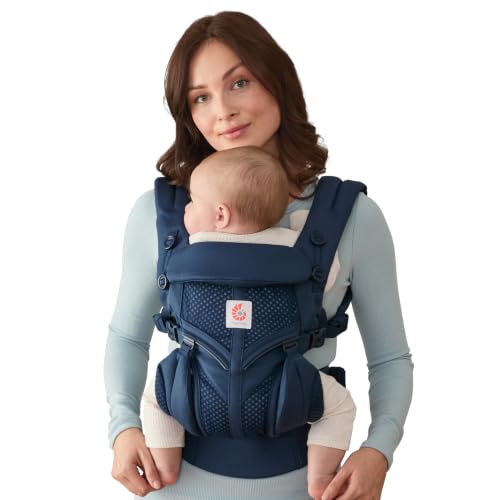
Four carry positions including forward-facing and back carry. No infant insert needed from newborn — useful when the stroller is too bulky.
As an Amazon Associate, we earn from qualifying purchases.
Products Mentioned in This Guide
Still comparing options?
Browse all our brand-vs-brand pushchair guides to find the right fit.
Browse All GuidesFrequently Asked Questions
Is the UPPAbaby Vista V3 or Bugaboo Fox 5 better?
For most US families who might have a second child, the Vista V3 is the better long-term purchase. The in-chassis double conversion costs far less than buying the separate Bugaboo Donkey if you go the Fox route. For families with one child and varied terrain in their daily routine, the Fox 5's independent four-wheel suspension and one-handed operation make it worth the premium.
Does the UPPAbaby Vista convert to a double stroller?
Yes. The Vista V3 accepts a RumbleSeat as a second seat attached to the same chassis. The doubled-out Vista is narrower than most side-by-side doubles. The Bugaboo Fox 5 has no in-chassis double option -- converting to a Bugaboo double means purchasing the separate Bugaboo Donkey.
How does the Bugaboo Fox 5 suspension compare to the Vista V3?
The Fox 5 has full independent four-wheel suspension -- each wheel absorbs obstacles independently. The Vista has solid four-wheel suspension that performs well on urban and suburban pavement. On mixed terrain (gravel, cobblestones, park paths), the Fox 5's advantage is clear. On smooth pavement, both are excellent and the difference is modest.
What is the basket size on the UPPAbaby Vista vs Bugaboo Fox?
The Vista V3 has a 30-litre basket with a 55-pound weight capacity -- the largest in the class at this price. The Bugaboo Fox 5 basket is functional but substantially smaller. Parents who've owned both consistently rate the Vista's basket as a meaningful advantage for full-day outings with a baby.
Why is the Bugaboo Fox 5 more expensive than the UPPAbaby Vista V3?
The Fox 5 costs meaningfully more and delivers better suspension (full independent four-wheel vs standard four-wheel) and more consistent one-handed operation. Whether that premium is worth it depends on your terrain and family plans. For families expecting a second child, the Vista's in-chassis double conversion makes it the smarter financial decision overall.