VTech VM819 Review 2026: The Best Budget Baby Monitor?

A dad of two who's been through the stroller-buying gauntlet twice. I don't pretend to have tested every stroller — I research what parents actually report after months of real use, then tell you what holds up and what quietly disappoints.
Just so you know, some links on this page are affiliate links. If you buy something via them, we get a small kickback. You don't pay more, but it helps toward our research.
You do not need to spend three figures to do the actual job of a baby monitor: see your baby, hear your baby, talk back, and know the signal is private. The VTech VM819 does all four for a fraction of what the smart cameras cost, over a connection that never touches the internet, and it is the monitor we would hand any parent who wants the essentials done well and their money left in their pocket. It is the honest budget pick: no app, no subscription, no cloud, just a camera, a screen, and a link between them that no one outside your home can reach.
If you want breathing tracking, an app, or recording, this is not that monitor, and our best baby monitors guide has picks that do those things. But if your list is short and sensible, the VM819 covers it for less than almost anything worth buying.
What it is
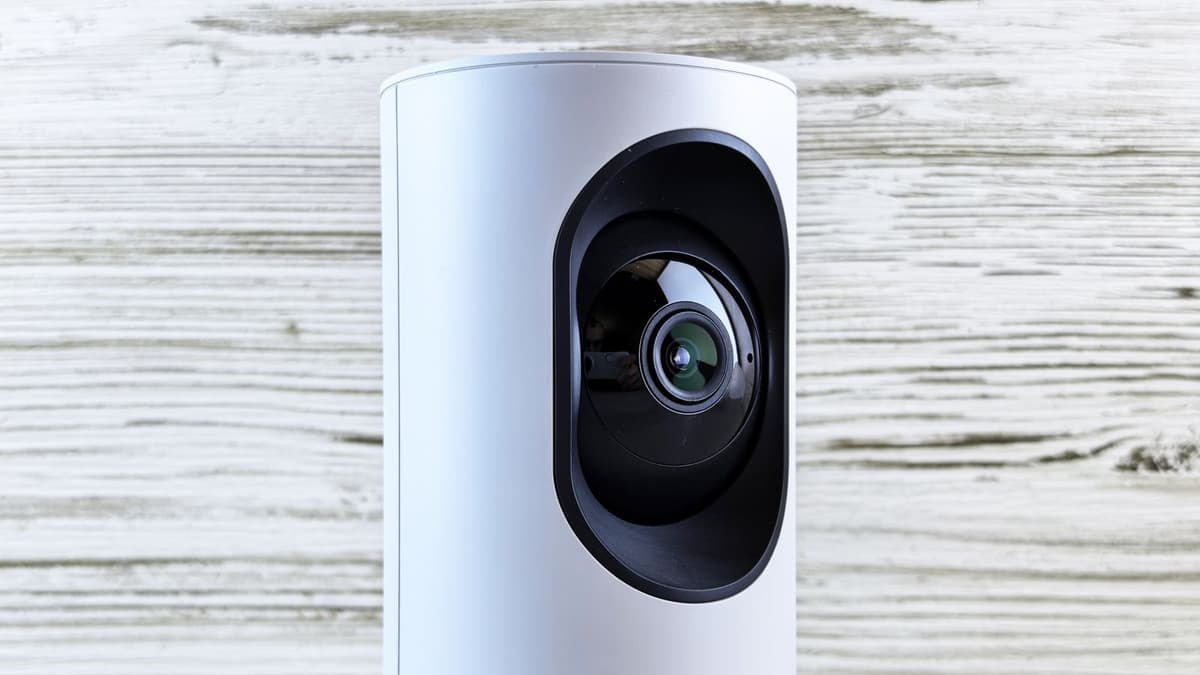
The VM819 is a no-frills, no-Wi-Fi video monitor: a fixed camera and a 2.8-inch colour parent unit that talk to each other over an encrypted 2.4GHz FHSS link and nothing else. There is no app, no account, and no internet involved at any point, so it sits in the same private, hard-to-intercept category as far pricier non-Wi-Fi monitors. The parent unit shows a live colour picture with automatic infrared night vision, and the feature list covers the genuinely useful basics: two-way talk so you can soothe from another room, a temperature sensor read out on the screen, a handful of built-in lullabies, and a sound-activated display that wakes when the baby makes noise. Range runs to around a thousand feet, and the parent unit's battery is the quiet standout, good for roughly nineteen hours of video or twenty-nine of audio-only on a charge.
The case for it
The core value is simple: it does the essential job of a monitor and skips everything you are not sure you need. You can see the baby, hear the baby, and talk back to settle them without going in, and you can do it knowing the video is not travelling through anyone's servers. For a lot of parents that is the entire brief, and paying four or five times more for pan-tilt motors and 4K sensors buys features they would never touch.
Battery life is the feature that quietly wins people over. A monitor is useless the moment its screen dies overnight, and the VM819's parent unit comfortably lasts a full night and then some, which means it is not tethered to a charger on the nightstand. The thousand-foot range covers a normal home from any corner, the automatic night vision kicks in without you thinking about it, and the sound-activated screen is a genuinely smart touch: it keeps the display dark and quiet until the baby actually makes a noise, so you are not lit up by a glowing screen all night but you still get woken when it counts.
It is also brilliant as a second monitor. Plenty of families with a fancy Wi-Fi camera in the nursery buy one of these for the travel bag, the grandparents' house, or a second bedroom, precisely because it is cheap, private, and needs no network to set up. Point it, pair it, done. And because there is no app to learn or account to create, it is the monitor a grandparent or babysitter can actually use without a tutorial.
Here is the part budget-minded parents rarely hear said out loud: for a great many families, this is genuinely all the monitor you need. A newborn who sleeps in your room for the first few months barely needs a camera at all, and when they move to the nursery, seeing and hearing them clearly is the job. The pan-tilt motors, the 4K sensors, and the sleep analytics on the pricier cameras are lovely, but they are not what keeps a baby safe, and none of them will make you a more present parent. If money is tight, spending it on nappies, a good car seat, or simply keeping it in the bank is the better call, and a VM819 will watch over the crib perfectly well while you do. Do you actually picture yourself checking the baby from the office, or do you just want to know they are settled in the next room? Be honest about which, because the answer decides whether you need to spend more than this at all.
Owners tend to talk about the VM819 the way people talk about a reliable kettle: it is not exciting, it just works, and the battery keeps going far longer than they expected. The recurring note in their favour is exactly the absence of drama, no dropped connections, no app outages, no updates that break something that worked yesterday.
Living with it day to day
The appeal of the VM819 is that it asks almost nothing of you. There is no network to join, no firmware to update, no notifications to manage, and nothing to re-pair when the router restarts, because there is no router in the picture at all. You charge the parent unit, sit the camera where it sees the crib, and it behaves the same every single night. For a tired household that predictability is worth more than a spec sheet suggests.
It travels as well as anything in the category. A weekend away or a night at the grandparents' needs no new Wi-Fi password and no reconfiguration, just the two units and somewhere to set the camera down. The sound-activated screen and the long battery make it easy to leave running on the bedside table, and the two-way talk means you can often settle a grumble with your voice before it becomes a full wake-up and a trip down the hall. It is not clever, and that is rather the point: it is the monitor you stop thinking about, which is exactly what you want from one.
The honest case against it
The VM819 is basic, and you feel the price in a few specific places. The 2.8-inch screen is small, noticeably so next to the 5-inch panels on the step-up monitors, and while it is fine for a glance it is not a screen you will linger on. The camera is fixed, with no motorised pan, tilt or zoom, so you frame it once and it stays put, which is fine for a crib but less forgiving as a baby starts to roam a bigger room.
There is no app and no remote viewing, so you cannot check in from your phone or from outside radio range, and there is no recording or history, so a live view is all you get. The picture quality is dependable rather than crisp, and the feature set is deliberately thin. None of that is a flaw for a budget monitor doing budget-monitor things, but if you find yourself wishing for a bigger screen, a movable camera, or a look from your phone, you have quietly outgrown this tier and should spend a little more.
The thousand-foot range is a line-of-sight figure, too, and the real world is not line of sight. Thick masonry walls, a couple of floors, or a lot of competing 2.4GHz gear can trim it, and in a big or solidly built house you may hear the occasional bit of static or a brief drop at the far end of the range. For the typical home covering a nursery from a bedroom it is a non-issue, but if you live somewhere large or old, it is worth knowing the headline number is a best case rather than a promise. It is the sort of thing that separates a monitor that merely works on paper from one you should test in your actual house in the first week, while it is still easy to return.
Who should buy it, and who shouldn't
Buy the VM819 if your priorities are cost and simplicity and you want a private monitor that does the essentials without fuss. It is the right call for a tight budget, for a second room or a travel bag, and for anyone who actively does not want an app, an account, or a camera on their network. Grandparents and babysitters can use it on sight, and that counts for a lot.
Do not buy it if you want to check the baby from your phone, in which case the app-connected options in our best baby monitors guide are built for that. Do not buy it if breathing and sleep tracking is your real worry, where the overhead Nanit Pro review covers the monitor made for that anxiety. And if you want a no-Wi-Fi monitor but with a bigger screen, a movable camera, and better audio, the step up is covered in our Infant Optics DXR-8 PRO review.
How it compares to the obvious alternatives
The natural step up from the VM819 is the Infant Optics DXR-8 PRO, and the gap between them is exactly what you would expect for the extra money. The Infant Optics keeps the same private, no-Wi-Fi principle but adds a larger 5-inch screen, a pan-tilt-zoom camera, interchangeable lenses, and active noise reduction. If you want more monitor while staying off the grid, that is where the money goes, and it is worth it if those things matter to you. If they do not, the VM819 delivers the same core privacy for far less.
In the other direction, the eufy E21 answers a different question entirely. It adds a 4K camera, a phone app, and 24/7 local recording, so if you have decided you do want the modern, connected experience, it is the smarter buy than trying to stretch a budget monitor to do things it was never built for. Our eufy E21 review makes that case. The one thing to avoid whichever way you go is a cheap unbranded Wi-Fi camera from a marketplace no-name: that is the worst of both worlds, a connected camera with none of the security you are trusting a real brand to provide. If you want cheap, buy cheap and private like the VM819, not cheap and connected.
What we'd buy today
If your monitor wishlist is short and honest, see the baby, hear the baby, talk back, keep it private, spend the least, the VTech VM819 is the one we would put on the shelf. It does the real job of a baby monitor without the subscription, the app, or the price tag, and its long battery and sound-activated screen make it genuinely pleasant to live with. Set it up in two minutes, forget about it, and put the money you saved toward something the baby will actually notice. Get the VTech VM819 on Amazon and cross the monitor off the list today.
As an Amazon Associate, we earn from qualifying purchases.
Products Mentioned in This Guide
Still comparing options?
Browse all our brand-vs-brand pushchair guides to find the right fit.
Browse All GuidesFrequently Asked Questions
Is the VTech VM819 worth it?
For a tight budget or a second room, yes. It does the core job of a monitor, see, hear and talk to the baby, over a private connection that never touches the internet, and its battery easily lasts the night. It is the wrong pick only if you want an app, recording, or a bigger, movable camera.
Does the VTech VM819 use Wi-Fi?
No. It transmits over an encrypted 2.4GHz signal directly between the camera and the parent unit, with no Wi-Fi, no app and no internet involved. That keeps everything private and makes it simple to set up anywhere.
What screen size is the VTech VM819?
The parent unit has a 2.8-inch colour screen. It is smaller than the 5-inch panels on the step-up monitors, fine for a quick glance but not a screen you will linger on.
How long does the VTech VM819 battery last?
Around nineteen hours of video streaming or twenty-nine hours in audio-only mode on a single charge, so it comfortably runs through a full night without being tethered to a charger.
Does the VTech VM819 have an app?
No. There is no app and no remote viewing, so you watch on the included parent unit and only within range. That simplicity is part of why it is cheap, private and easy for a grandparent or babysitter to use.